



5 Axis CNC Routing...
Built to match your vision. And outperform it.

What is 5-Axis CNC Routing — and Why Does It Matter?
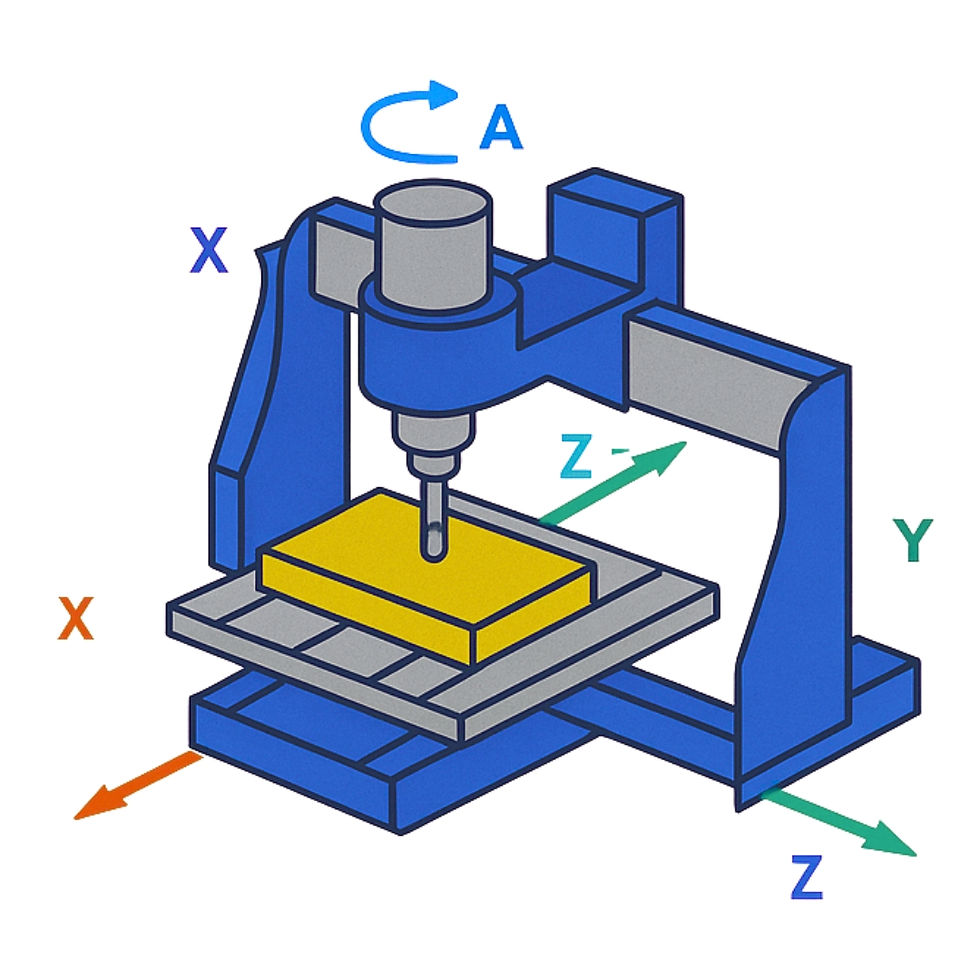
5-Axis Means 5 Directions of Movement
Unlike traditional 3-axis machines (which move along X, Y, and Z), a 5-axis CNC router also rotates on two additional axes — typically A (tilt) and B or C (rotation).
➤ Why it matters: This allows the cutting tool to approach the workpiece from virtually any angle.
More Complex Parts, Fewer Setups
5-axis routing lets you machine multiple sides or complex curves of a part in one setup.
➤ Why it matters: Reduces time, increases accuracy, and eliminates the need for manual repositioning.
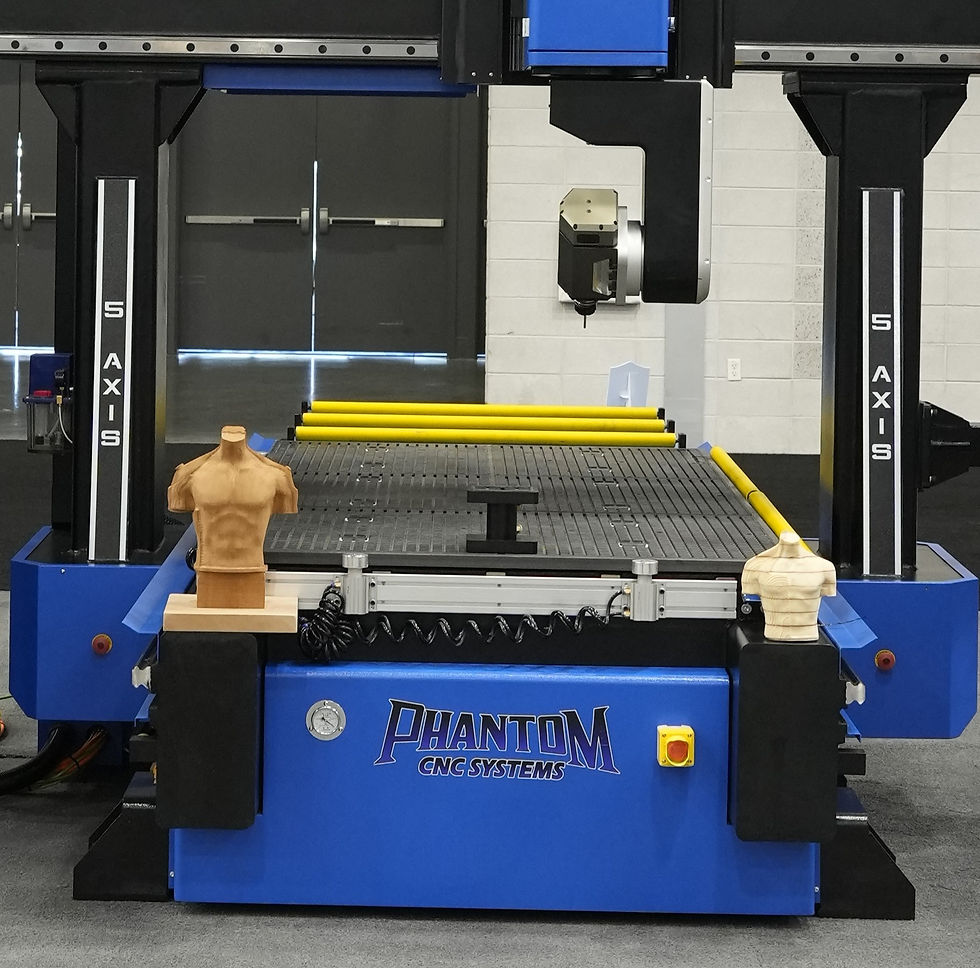
Perfect for 3D Shapes and Organic Designs
It can handle sculpted surfaces, undercuts, cavities, and flowing geometries that are impossible on standard routers.
➤ Why it matters: Ideal for aerospace, mold making, custom cabinetry, art, and advanced prototyping.
Smoother Finishes and Cleaner Cuts
Because the tool can maintain optimal cutting angles throughout the process, it reduces chatter and improves surface quality
.➤ Why it matters: Less post-processing, better fit and finish, and less wear on your tools.
Greater Efficiency with Advanced Toolpaths
5-axis machines use synchronized, simultaneous movement that minimizes repositioning and boosts material removal rates.
➤ Why it matters: Get jobs done faster, with more consistency and less waste.
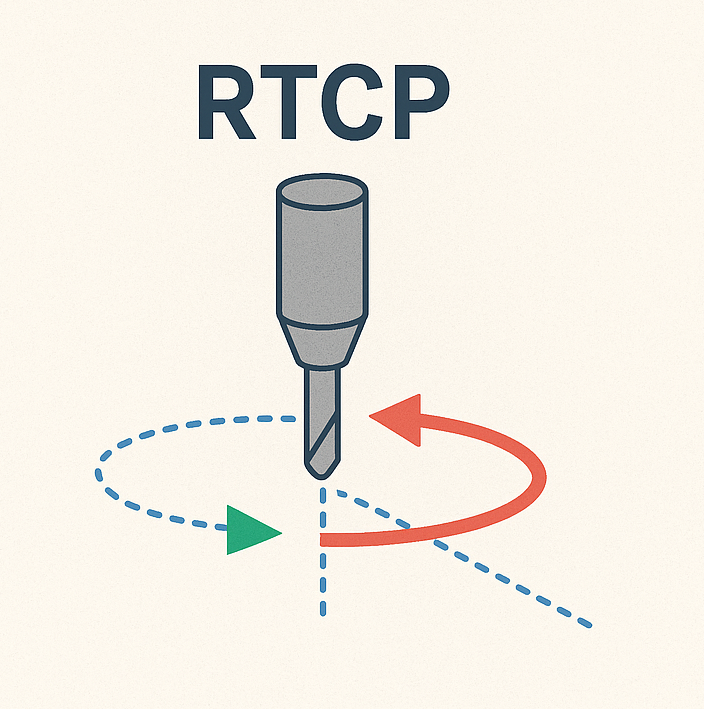
Supports RTCP (Rotational Tool Center Point)
Phantom’s 5-axis system features RTCP technology, ensuring the tool tip remains on the correct cutting path even as the rotary axes move.
➤ Why it matters: Precision control for complex geometries and smoother transitions between tool movements.
CHECK OUT SOME OF THE LASTEST UPDATES ON PHANTOM 5-AXIS CNC
MORE INFO COMING SOON


READY TO START YOUR 5 AXIS JOURNEY WITH PHANTOM? CLICK BELOW FOR A QUOTE!


https://swisscasinosite.com had me thinking about how the RTCP detail deserves more attention than it usually gets, since keeping the tool tip on the correct path while the rotary axes move is exactly where cheaper setups tend to fall apart. The point about fewer setups improving accuracy rather than just speed also matches what I've seen in small shops, where repositioning a part by hand is often where tolerance creeps in. I'd be curious how much the learning curve for synchronized toolpaths offsets those gains in the first few months.
https://casinomastercard.net was on my mind while reading the explanation of RTCP, since keeping the tool tip on the correct path as the rotary axes move sounds like the detail that separates real 5-axis work from just having extra movement. The point about machining multiple sides in one setup hit home too, because repositioning parts by hand has always been where I lose accuracy. I'd be curious how much the smoother finishes actually cut down on sanding time in practice.